What Is Machine Shop ERP Software and How Does It Work?
Learn what machine shop ERP software is, how it works, and why CNC manufacturers use it to improve productivity, scheduling, inventory control, and shop floor visibility.
Table of Contents
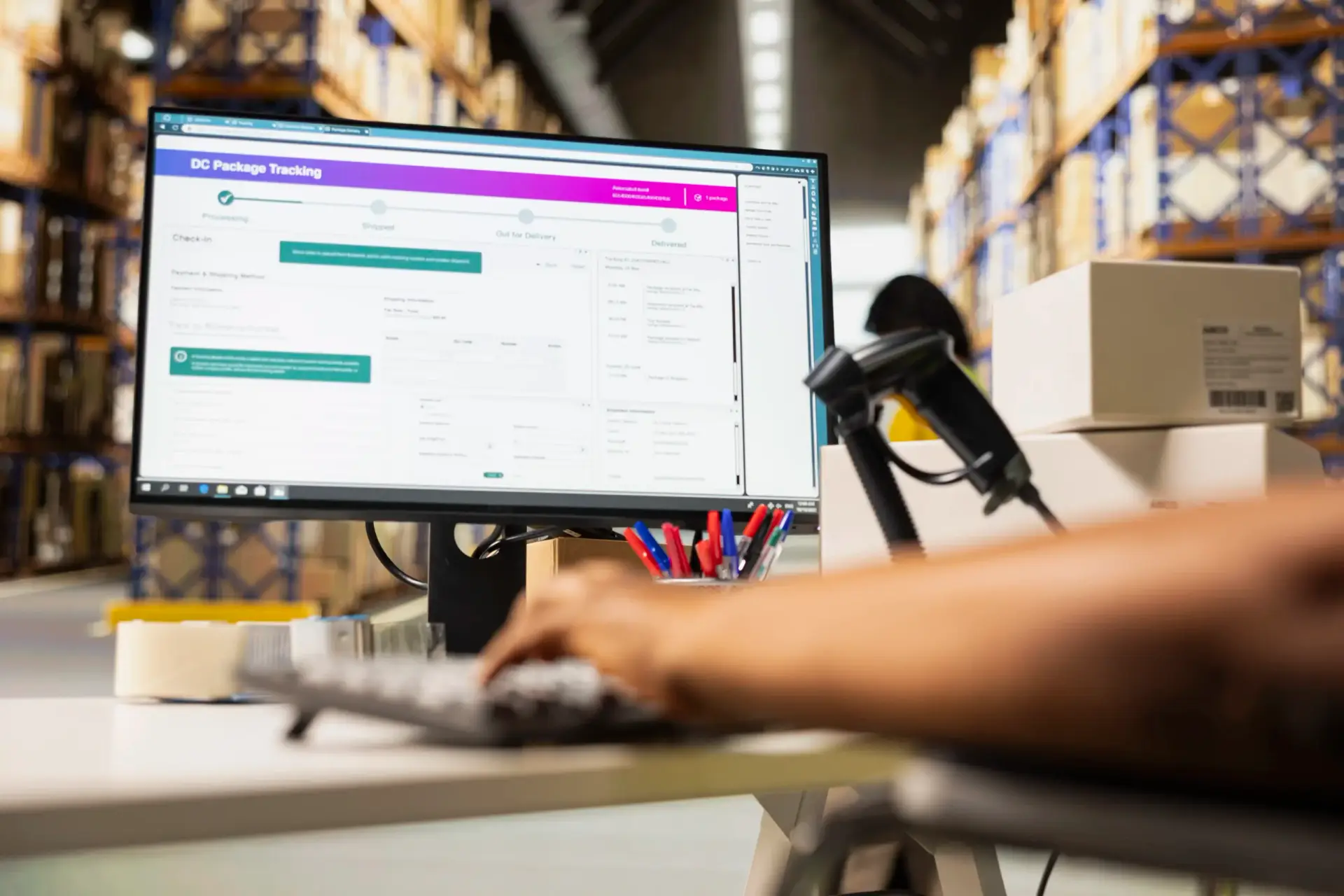
Running a machine shop involves much more than machining parts. You manage production schedules, tooling, inventory, work orders, labor, machine utilization, quality control, and customer deadlines, all while keeping operations efficient and profitable.
Many shops still rely on spreadsheets, paper, and disconnected software to manage these activities. As operations grow, those methods create bottlenecks, communication issues, and costly delays.
This is where Machine Shop ERP software becomes essential. ERP (enterprise resource planning) is a centralized system that connects every part of your shop, helping you streamline operations, improve visibility, and make better decisions.
What Is Machine Shop ERP Software?
Machine Shop ERP Software is a specialized business management system designed specifically for CNC machine shops and manufacturing operations.
Unlike generic business software, a machine shop ERP system is built to handle manufacturing-specific processes such as:
- Production scheduling
- Work order management
- Shop floor tracking
- Tool crib management
- Inventory control
- Material tracking
- CNC job management
- Reporting and analytics
The goal is simple: connect all departments and operational data in one platform. For a more general introduction, see what manufacturing ERP software is, or our Ultimate Guide to Manufacturing ERP Systems.
Why Machine Shops Need ERP Software
As machine shops grow, managing operations manually becomes increasingly difficult.
Common challenges include:
Production Delays
Without accurate scheduling, jobs can become delayed and machines may sit idle.
Inventory Shortages
Missing materials or tooling can stop production unexpectedly.
Lack of Visibility
Managers struggle to track progress in real time. See our guide to shop floor management.
Excessive Downtime
Unplanned downtime reduces productivity and profitability.
Data Silos
Information gets scattered across spreadsheets, emails, and paper. We list the warning signs in 15 signs your machine shop has outgrown Excel.
An ERP gives you a single source of truth for all of it.

How Machine Shop ERP Software Works
Step 1: Centralize Data
Information from production, inventory, tooling, purchasing, and scheduling is stored in one system.
Step 2: Automate Workflows
ERP software can automate repetitive tasks such as job scheduling, inventory updates, purchase orders, reporting, and work order management.
Step 3: Provide Real-Time Visibility
Managers can view machine status, production progress, inventory levels, tool availability, and labor performance. See real-time shop floor tracking.
Step 4: Generate Reports and Analytics
Reports show metrics such as machine utilization, downtime, throughput, delivery performance, and production costs. Our KPI guide covers the ones to track.
Step 5: Support Better Decision-Making
With current information, you can respond faster to problems and optimize workflows.
Core Features of Machine Shop ERP Software
Production Scheduling
Plan and manage jobs while reducing bottlenecks. Benefits: better workload balancing, improved delivery performance, higher machine utilization.
Shop Floor Tracking
Monitor production activity as it happens. Benefits: live visibility, faster issue resolution, less downtime.
Inventory Management
Track materials and supplies through production. Benefits: better accuracy, fewer shortages, lower inventory costs.
Tool Crib Management
Manage tooling inventory, maintenance, and availability. Benefits: better tool tracking, fewer setup delays, better tooling utilization.
Reporting & Analytics
Generate reports (and, depending on the system, dashboards) for performance monitoring. Benefits: data-driven decisions, performance tracking, continuous improvement.
Benefits of ERP for CNC Machine Shops
Shops that implement ERP often see operational improvements:
Improved Productivity
Automated workflows reduce manual administrative work.
Reduced Downtime
Better scheduling and visibility minimize interruptions. See how ERP software helps CNC machine shops reduce downtime and how machine shop ERP eliminates production delays.
Faster CNC Setups
Integrated tooling and setup sheet information improves setup efficiency.
Better Inventory Control
Real-time tracking helps prevent shortages and overstocking.
Enhanced Customer Service
Accurate scheduling and visibility improve on-time delivery.
Scalability
ERP systems support growth without adding unnecessary complexity.
ERP vs Spreadsheets and Disconnected Systems
Many shops start with spreadsheets because they’re simple and inexpensive. As production grows, they tend to create more problems than they solve. Our ERP vs Excel comparison goes into detail.
| Feature | Spreadsheets | Machine Shop ERP |
|---|---|---|
| Real-Time Data | ❌ | ✅ |
| Production Scheduling | Limited | Advanced |
| Inventory Tracking | Manual | Automated |
| Tool Management | Manual | Integrated |
| Reporting | Basic | Advanced Analytics |
| Shop Floor Visibility | Low | High |
| Scalability | Limited | Excellent |
How to Choose the Right Machine Shop ERP Software
Not all ERP systems are built for machine shops. Look for:
CNC Manufacturing Focus
Software designed specifically for CNC and machining operations.
Production Scheduling Tools
Advanced scheduling is essential.
Shop Floor Tracking
Real-time visibility should be a core feature.
Tool Crib Integration
Tool management cuts downtime and setup delays. For more, see tool crib management with ERP.
Reporting & Analytics
Customizable reports and KPI tracking.
Ease of Use
It should be intuitive for operators, supervisors, and managers.
Budget matters too. Our machine shop ERP pricing guide explains what drives cost. On the people side, a Mint Jutras survey of 300+ North American manufacturers and distributors found 67% rated their ERP implementation successful, with management support and change management the main drivers.
What Texono’s Machine Shop ERP Includes
Texono’s Machine Shop ERP is built around your shop’s operation, with 12+ modules including setup sheets, tool crib management, job costing, HR, and IT ticketing, plus production planning, inventory, and quality. It’s part of Texono’s wider Manufacturing ERP, and you can run it as SaaS, on-premises, or own it outright.
Frequently Asked Questions
It connects scheduling, inventory, tooling, work orders, costing, and reporting in one system so everyone works from the same data.
It’s built around job-shop needs such as setups, tooling, and work orders, not general business accounting.
No. Smaller shops often feel the pain of disconnected tools first.
It depends on scope. Starting with one module is usually quicker than a full rollout.
Conclusion / Key Takeaways
Machine Shop ERP Software helps manufacturers connect production, inventory, tooling, scheduling, and reporting into one centralized platform.
By replacing spreadsheets and disconnected systems, machine shops gain real-time visibility, automate workflows, reduce downtime, and improve overall operational efficiency.
Key Benefits:
- Centralized business operations
- Improved production scheduling
- Real-time shop floor visibility
- Better inventory and tooling management
- Enhanced reporting and analytics
For growing CNC machine shops, ERP software is no longer a luxury—it’s a critical tool for staying competitive.
Call-to-Action
Looking for a smarter way to manage your CNC machine shop?
See how Texono’s Machine Shop ERP can help you improve productivity and gain visibility across your operation. Talk to the team or book a demo below.

We help your business grow with powerful SaaS solutions
Resources
© 2026 Texono. All rights reserved.