
Learn how manufacturing ERP software helps machine shops streamline operations, improve productivity, and gain real-time control over production.

Manufacturing operations are becoming more complex as customer demands, production requirements, and competition continue to grow. Many machine shops still rely on spreadsheets, disconnected software, and manual processes to manage production, inventory, scheduling, and reporting.
These outdated systems often lead to delays, errors, poor communication, and reduced productivity. This is why more manufacturers are adopting manufacturing ERP software to centralize operations and improve efficiency.
ERP systems help manufacturers connect every department into one unified platform, giving real-time visibility into production, inventory, tooling, scheduling, and overall shop performance.
What Is Manufacturing ERP Software?
Manufacturing ERP (Enterprise Resource Planning) software is a centralized system designed to manage and automate manufacturing operations. It connects different business functions such as:
- Production planning
- Inventory management
- Shop floor tracking
- Tool management
- Purchasing and procurement
- Reporting and analytics
Instead of using multiple disconnected tools, manufacturers can manage everything through one integrated system.
ERP software provides accurate, real-time data that helps businesses improve decision-making and streamline workflows.
How Manufacturing ERP Works
A manufacturing ERP system collects and shares information across all departments in real time.
For example:
- Production schedules update automatically when new jobs are created
- Inventory levels adjust as materials are consumed
- Machine and operator performance can be tracked live
- Tooling availability syncs with production requirements
This integration eliminates manual data entry and improves communication across the organization.
Key Features of Manufacturing ERP Software
1. Production Planning & Scheduling
ERP systems help manufacturers organize production schedules, manage workloads, and reduce bottlenecks.
2. Inventory Management
Track raw materials, finished goods, and tooling inventory in real time to avoid shortages and overstocking.
3. Shop Floor Tracking
Monitor machine utilization, operator activity, and production progress directly from the shop floor.
4. Reporting & Analytics
Generate custom reports and dashboards to measure productivity, downtime, efficiency, and operational KPIs.
5. Workflow Automation
Automate repetitive tasks such as job creation, reporting, purchasing, and production updates.
✅ Centralized operations
✅ Real-time production visibility
✅ Improved workflow efficiency
Why Machine Shops Need Manufacturing ERP
Many machine shops struggle with operational inefficiencies caused by disconnected systems and manual processes. Manufacturing ERP software solves these challenges by creating a connected workflow across the entire operation.
Machine shops benefit from ERP because it helps:
- Reduce setup and production delays
- Improve machine utilization
- Eliminate duplicate data entry
- Improve communication between departments
- Increase production efficiency
- Support smarter business decisions
As production demands increase, ERP becomes essential for scaling operations efficiently.
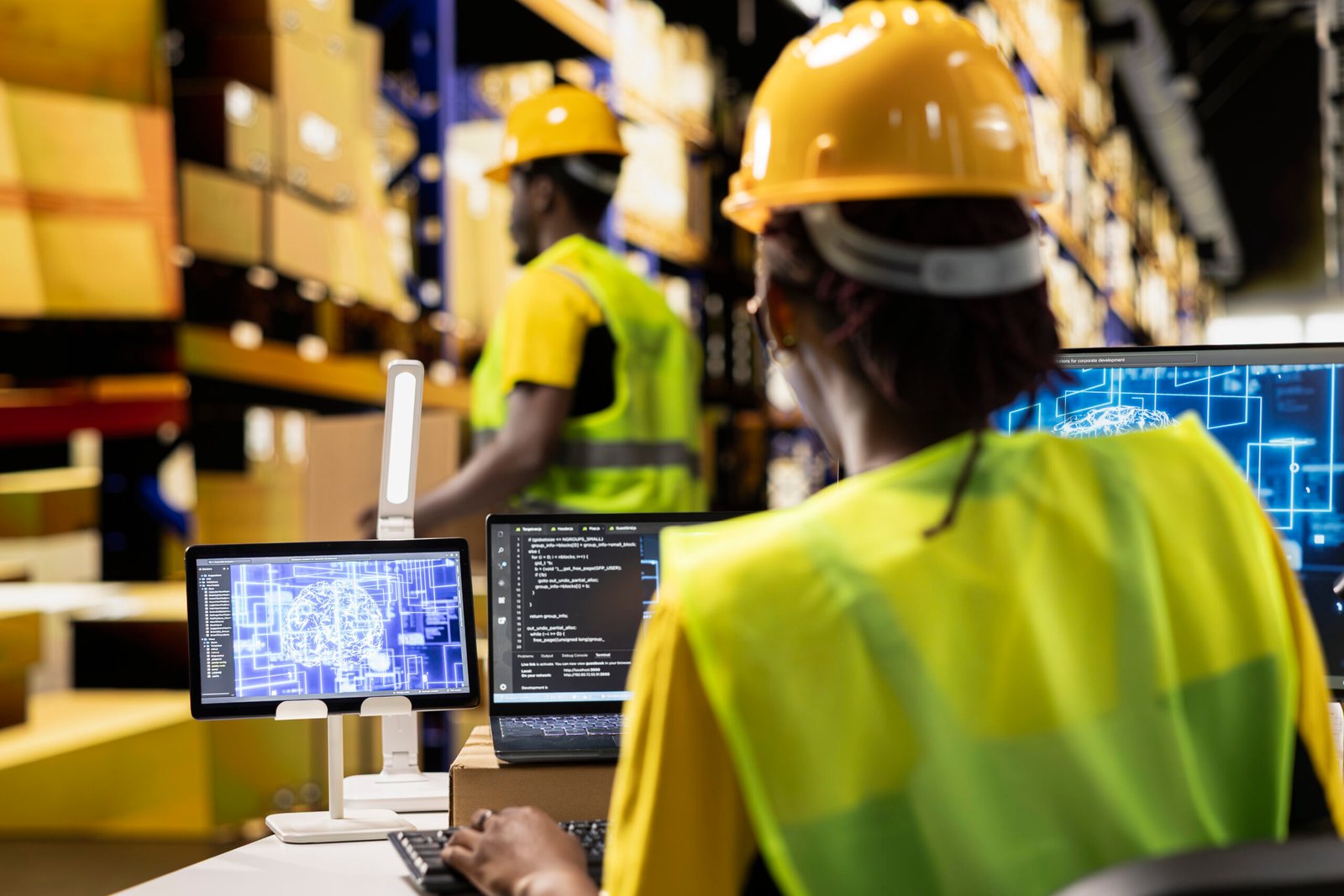
Benefits of ERP for Manufacturers
Improved Productivity
Automated workflows and real-time visibility reduce delays and improve operational efficiency.
Better Inventory Control
Manufacturers can track materials and tooling accurately, reducing waste and shortages.
Reduced Downtime
Real-time monitoring helps identify issues early and improve machine utilization.
Data-Driven Decision Making
Analytics and reporting tools provide insights that help optimize production and business performance.
Scalable Operations
ERP systems support business growth by streamlining operations and improving coordination.
Signs Your Shop Needs ERP Software
Your manufacturing business may benefit from ERP software if you experience:
- Frequent production delays
- Poor inventory visibility
- Manual spreadsheet management
- Communication gaps between departments
- Difficulty tracking shop floor operations
- Inaccurate reporting and data inconsistencies
If these challenges are slowing down your operations, ERP software can provide a long-term solution.
The Future of Manufacturing with ERP
Modern manufacturing is rapidly moving toward smart factories and Industry 4.0 technologies. ERP systems are becoming the foundation for connected manufacturing environments by integrating with:
- CNC machines
- IoT devices
- AI and analytics platforms
- Digital setup sheet applications
- Tool management systems
Manufacturers that invest in ERP technology today will be better prepared for the future of digital manufacturing.
Conclusion / Key Takeaways
Manufacturing ERP software helps machine shops centralize operations, automate workflows, and improve production efficiency. By replacing disconnected systems with a unified platform, manufacturers can gain better visibility, reduce operational inefficiencies, and scale more effectively.
Key Benefits:
- Improved production planning
- Better inventory and tooling management
- Real-time shop floor visibility
- Smarter decision-making through analytics
Call-to-Action
Ready to modernize your manufacturing operations with ERP software?
Discover how Texono’s Manufacturing ERP Solutions help machine shops improve productivity, visibility, and efficiency.


