Learn what custom software development is, how it works, and why businesses choose custom-built software to improve efficiency, automate processes, and support long-term growth.

Every business has unique processes, challenges, and goals. While off-the-shelf software can handle general business tasks, it often falls short when it comes to specialized workflows, industry-specific requirements, and long-term scalability.
That’s where custom software development comes in.
Custom software is designed specifically for your business, ensuring that every feature supports your operations instead of forcing your team to adapt to generic software. Whether you’re managing manufacturing, inventory, customer data, or production scheduling, a tailored solution can improve efficiency and give your business a competitive advantage.
In this guide, we’ll explain what custom software development is, how it works, and why businesses across industries are investing in customized software solutions.
What Is Custom Software Development?
Custom software development is the process of designing, building, testing, and maintaining software created specifically for the needs of a particular business or organization.
Unlike commercial off-the-shelf software, which is built for a broad audience, custom software is tailored to your workflows, business rules, and operational goals.
Custom software can be developed for almost any business function, including:
- Manufacturing management
- Inventory control
- Production scheduling
- Customer relationship management (CRM)
- Enterprise Resource Planning (ERP)
- Shop floor tracking
- Reporting and analytics
- Workflow automation
Instead of paying for features you don’t use, custom software delivers the functionality your business actually needs.
How Does Custom Software Development Work?
A successful project follows a structured software development process.
1. Business Analysis
The development team works closely with stakeholders to understand business objectives, challenges, and existing workflows.
2. Planning and Design
Architects create a solution that fits your operational requirements, including system architecture, user interface design, and feature planning. If the software will be used on a shop floor or by non-technical staff, UI/UX design matters as much as the features.
3. Development
Developers build the application using modern technologies while ensuring security, scalability, and performance.
4. Testing
Before deployment, the software is tested to identify and resolve bugs, improve usability, and ensure reliability.
5. Deployment
The application is implemented within your organization and integrated with existing systems if required.
6. Ongoing Support and Improvements
As your business evolves, the software can be updated with new features and enhancements to meet changing needs.
Custom Software vs Off-the-Shelf Software
Many businesses begin with commercially available software because it’s quick to implement and relatively inexpensive.
However, as operations grow, these solutions often become limiting.
| Feature | Custom Software Development | Off-the-Shelf Software |
|---|---|---|
| Built for Your Business | ✅ Yes | ❌ No |
| Custom Workflows | ✅ Yes | ❌ Limited |
| Scalability | ✅ Designed around your growth | ⚠️ Depends on the product |
| Integration with Existing Systems | ✅ Built to your requirements | ⚠️ Often limited |
| Upfront Cost | ⚠️ Higher | ✅ Lower |
| Time to Start Using | ⚠️ Longer | ✅ Faster |
Custom software adapts to your business, while off-the-shelf software often requires businesses to change their processes to fit the software.
The Trade-Offs to Weigh
Custom software isn’t the right answer for every business. Be realistic about three things:
- Higher upfront cost. You’re paying for design and development, not a subscription. Our machine shop ERP pricing guide explains what drives the cost and why ownership can be cheaper over five to ten years.
- Longer timeline. A custom build takes longer to launch than signing up for a ready-made tool.
- You need a partner you can rely on. Maintenance, updates, and support matter as much as the first release, so check how a partner handles them.
If your workflows are standard, off-the-shelf software is often the better choice. Custom pays off when your processes are unusual, when you’ve outgrown spreadsheets or generic tools, or when you want to own the software instead of renting it.
Benefits of Custom Software Development
Improved Efficiency
Custom software automates repetitive tasks and streamlines workflows, allowing employees to focus on more valuable work.
Designed Around Your Business
Every feature is built to support your processes, making the software easier to use and more effective.
Better Integration
Custom applications can connect with existing systems such as ERP platforms, accounting software, inventory management tools, or CRM solutions.
Greater Scalability
As your business grows, custom software can evolve with new features, users, and workflows without requiring a complete system replacement.
Enhanced Security
Custom software allows organizations to implement security measures based on their specific operational and compliance requirements.
Competitive Advantage
Businesses using custom software can optimize unique processes that competitors relying on generic software cannot easily replicate.

Which Businesses Need Custom Software?
Custom software is ideal for organizations that have specialized workflows or operational requirements.
Industries that commonly benefit include:
- Manufacturing
- CNC machine shops
- Healthcare
- Logistics
- Warehousing
- Construction
- Retail
- Distribution
- Professional services
Businesses with rapid growth or complex operations often get the most value. If your team is still running on spreadsheets, our guide on signs your machine shop has outgrown Excel is a good way to check whether you’ve reached that point.
Why Manufacturers Prefer Custom Software
Manufacturing companies often require software that supports highly specific production processes.
For example, manufacturers may need solutions for:
- Production scheduling
- Machine monitoring
- Shop floor tracking
- Inventory control
- Tool crib management
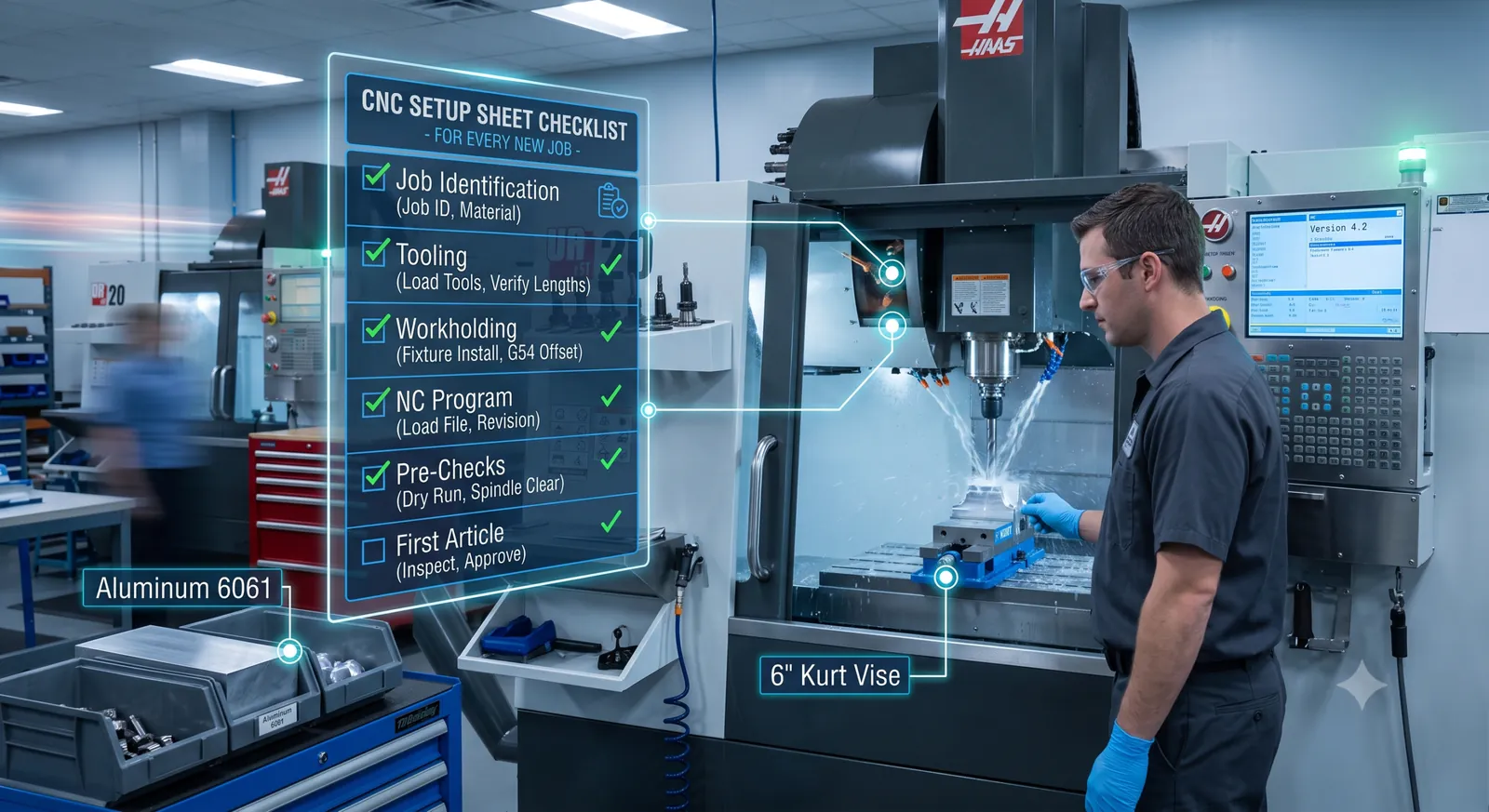
- CNC setup sheets
- Quality management
- Custom reporting
Generic software rarely provides all these capabilities without significant compromises.
Custom software enables manufacturers to automate operations while maintaining the flexibility to adapt to changing production requirements.
Examples of Custom Software in Manufacturing
Texono builds these kinds of applications for manufacturers. Several were developed for CAMCO Manufacturing and are built on .NET:
- Setup Sheet Application for digital CNC setup documentation
- ToolCrib Application for tracking tools and gauges
- HR Management App for employee records, training, and certifications
- IT Ticketing Application for managing IT requests
- Costing Application for job costing
- Machine Shop ERP, which brings these modules together, available as SaaS, on-premises, or owned outright
How to Choose a Custom Software Development Partner
Selecting the right development partner is just as important as choosing the software itself.
When evaluating a software development company, consider the following:
Industry Experience
Choose a team that understands your business and operational challenges.
Customization Capabilities
Ensure the company builds software around your workflows rather than offering generic templates.
Integration Expertise
Your software should work seamlessly with your existing systems and future technologies.
Ongoing Support
Look for a partner that provides long-term maintenance, updates, and technical support.
Proven Results
Review case studies, client testimonials, and successful implementations to evaluate experience and reliability.
Frequently Asked Questions
What is custom software development?
Designing, building, testing, and maintaining software made for one organization’s specific needs, instead of buying a product built for a broad audience.
How much does custom software cost?
It depends on scope, number of users, integrations, and how you deploy it. The most reliable way to get a real figure is to describe your workflow to a developer and ask for an estimate.
How long does a custom software project take?
It varies with scope. Starting with one module and adding more later is a common way to get something working sooner.
Is custom software better than off-the-shelf?
Not always. Off-the-shelf is faster and cheaper to start. Custom fits better when your processes are unusual or you’ve outgrown generic tools.
Conclusion
Every business operates differently, and your software should reflect that.
Custom software development allows organizations to replace inefficient manual processes and disconnected systems with solutions designed specifically for their operations.
By investing in custom software, businesses can:
✅ Improve productivity
✅ Automate repetitive tasks
✅ Streamline workflows
✅ Increase operational visibility
✅ Integrate existing systems
✅ Scale with confidence
Whether you’re managing a growing manufacturing facility, a machine shop, or another specialized business, custom software provides the flexibility and control needed to support long-term success.
Call-to-Action
Ready to build software that works the way your business does?
At Texono, we develop custom software solutions tailored to your business processes, from manufacturing ERP systems and shop floor applications to inventory management and workflow automation. Talk to our team about your project, or book a demo below.
Book a Demo