Learn what HR software for manufacturing should do: certification tracking, training records, payroll, safety logs, and labor cost visibility for machine shops.

The High Cost of Unseen Shop Floor Friction
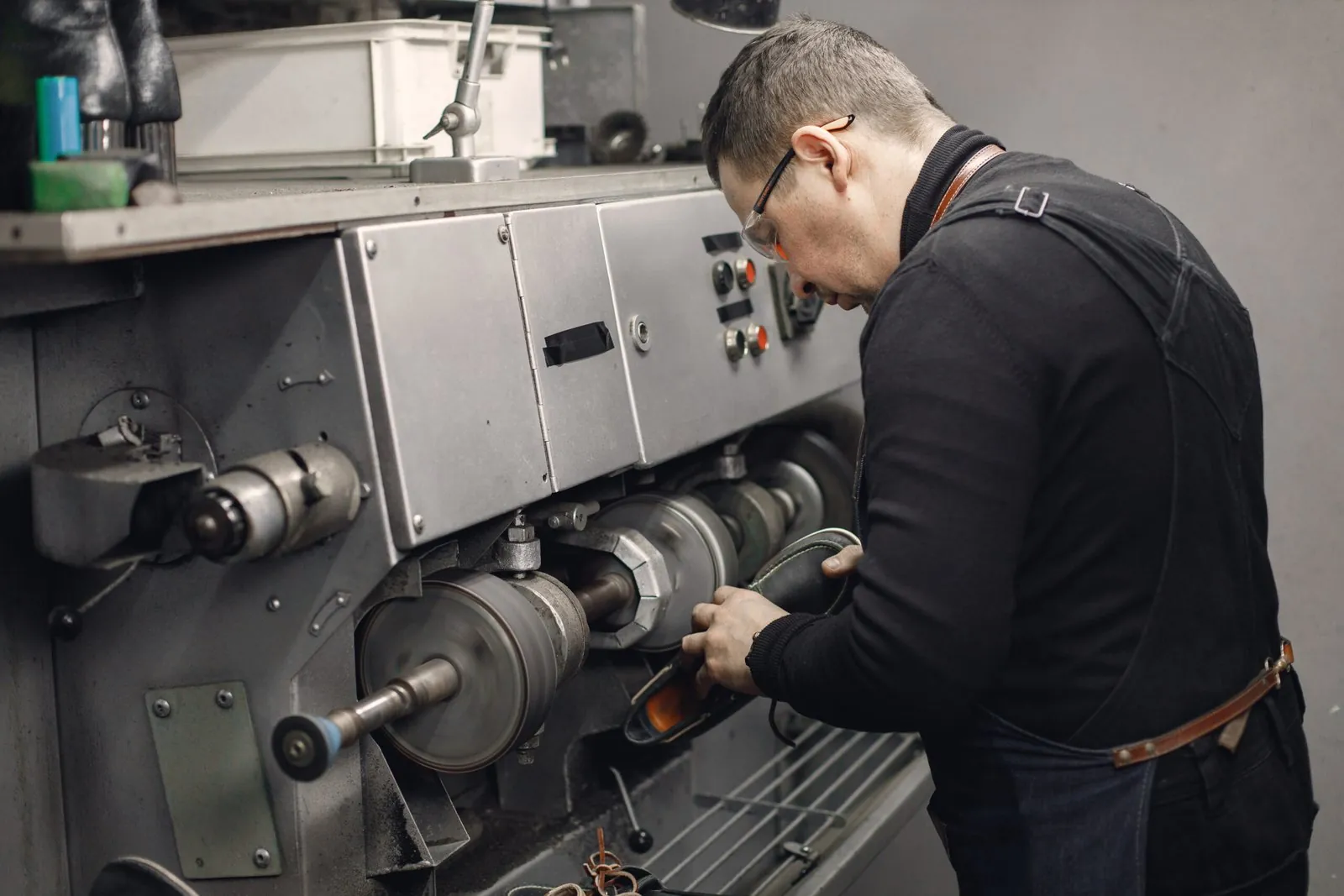
It’s 7:00 a.m. on a Monday in a precision machine shop. The setup machinist calls in sick fifteen minutes before the shift. The replacement operator isn’t certified for the titanium aerospace job on Machine 4. Three machines sit idle while the front office searches for someone who holds the right certification.
On paper, that looks like a scheduling problem. In reality it’s a workforce-information problem: the data about who is qualified for what lives in a different place from the schedule.
For years, factories treated HR software as a back-office expense for payroll and tax forms. In manufacturing, labor is one of your largest and most variable costs, and when HR records don’t connect to what happens on the floor, the result is unplanned overtime, skill gaps, compliance exposure, and eroded margins.
Why Office-Centric HR Software Falls Short in a Shop
Most general HR platforms are built for salaried office staff. They handle the basics well, but a machine shop has needs they weren’t designed around.
Little connection to jobs and work orders
Generic HR software records when someone clocks in. It usually doesn’t record which job or operation they worked on, so you can’t tell how much of an eight-hour shift went to setup, cutting, or waiting.
Certifications that live in PDFs
Welding certifications, NDT levels, ISO setup clearances, and hazmat handling all expire. When they’re stored as resume PDFs or notes, nobody gets a warning before one lapses.
Shift rules that don’t fit
Overlapping shifts, weekend rotations, tiered overtime, and machine-specific staffing are hard to model in software built for nine-to-five schedules, which leads to payroll errors and friction between HR and the floor.
The Business Impact
| Friction point | Shop floor root cause | Business impact |
|---|---|---|
| Labor cost leakage | Setup time, indirect labor, and overtime that never get tracked to a job | Jobs that look profitable on the quote lose margin in production |
| Scrap and rework | Under-qualified operators assigned to complex setups | Wasted material and broken tooling |
| Compliance exposure | Expired safety certifications and missing training logs | Audit findings and possible penalties |
| Turnover | Pay errors, unfair shift allocation, unclear skill progression | Replacing one skilled frontline worker typically costs $20,000–$40,000, according to a UKG Workforce Institute survey of manufacturing HR leaders |
6 Pillars of a Manufacturing-First HR Strategy
1. Job-level time and attendance
Record not just who was present but which job or work center they worked on, so accounting can compare real labor against estimates. This is the same real-time visibility we describe in cost tracking software for machine shops.
2. A living skill matrix
Replace the Excel matrix with a record of each operator’s skills, such as 5-axis milling, CMM operation, or CAM programming, and the level they’ve reached. Supervisors should be able to check qualifications before assigning a precision job.
3. Labor costing and variance
Track labor hours at the right rate for each shift and overtime tier. If setup runs 15% over budget, the floor manager should hear about it that day, not three weeks later. Our Costing Application is built for this job-level view.
4. Safety and certification compliance
Keep OSHA training, forklift licenses, and quality certifications in one place, with reminders ahead of expiry. The OSHA recordkeeping rules also require shops to log work-related injuries and illnesses, so make sure your system can maintain those logs.
5. Shift scheduling and overtime
Scheduling should reflect real demand and operator availability so no one is chronically overloaded. Burnout is a turnover risk as well as a safety risk.
6. Clear skill progression
With experienced machinists retiring, shops need to keep and grow younger talent. A visible path from Machinist I to Lead Programmer, with the skills required at each step, helps retention. Pair it with structured onboarding, like the approach in our guide to training CNC operators on digital process sheets.
For the day-to-day side of managing people on the floor, see our shop floor management guide.
What Texono’s HR Management App Covers
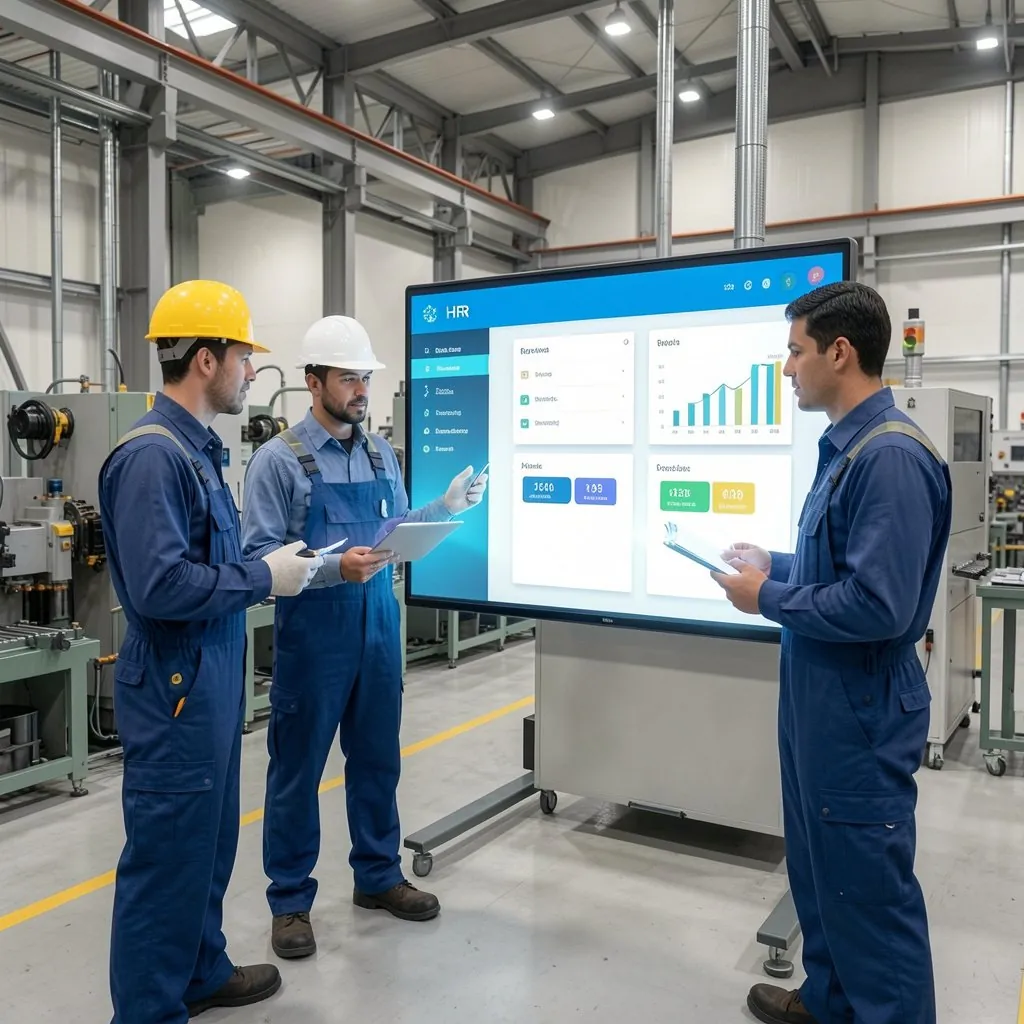
Texono’s HR Management App was built for CAMCO Manufacturing and is available as a cloud-based SaaS application. It brings the core HR records for a manufacturing workforce into one system:
- Employee data: profiles, edits, and incomplete-profile tracking.
- Discipline and performance: acknowledgement and violation records, plus performance improvement plans and reviews.
- Training and certification: certification and type management, with certification reports by employee.
- Payroll: weekly payroll entry and reports by employee or department.
- Safety: work-related injury and illness logs with summaries.
- Drug test management: scheduling and frequency tracking.
- Hiring: application tracking, new hire requests, applicant statuses, and separation forms.
- HR forms: FMLA, workers’ compensation, insurance benefits, and profile changes.
It’s fully customizable, so it can be adapted to how your shop works. For labor tracked against jobs, it fits alongside the Costing Application and the broader Machine Shop ERP, and it’s one of the modules in Texono’s Manufacturing ERP.
Office HR vs. Manufacturing-Aware HR
| Capability | Typical office HR software | Manufacturing-aware HR |
|---|---|---|
| Labor tracking | Total hours for payroll | Hours tied to jobs and operations |
| Certifications | Static notes or PDFs | Tracked records with expiry reminders |
| Shift rules | Basic schedules | Multi-shift rotations and overtime tiers |
| Safety records | Limited | Injury and illness logs, training records |
| Connection to the floor | Separate system | Links to costing, setup, and production data |
Frequently Asked Questions
What is HR software for manufacturing?
HR software built around the needs of production environments: certification and training tracking, safety and injury logs, multi-shift payroll, and labor data that connects to jobs.
Do small machine shops need dedicated HR software?
Once certifications, shifts, and compliance records outgrow a spreadsheet, yes. Missed expirations and payroll errors usually appear before headcount gets large.
Can HR software calculate job-level labor cost?
That depends on the system. Job-level labor costing usually comes from connecting HR and time data to a costing or ERP module.
Conclusion
Labor is one of the biggest costs in any shop, and HR records that don’t connect to production leave real money on the table. Software that tracks certifications, training, payroll, and safety records in one place helps cut waste, reduce compliance risk, and keep skilled people longer.
Ready to organize your shop’s HR records?
See how Texono’s HR Management App can fit your workforce, or talk to the Texono team about customizing it for your shop.
Request a Demo